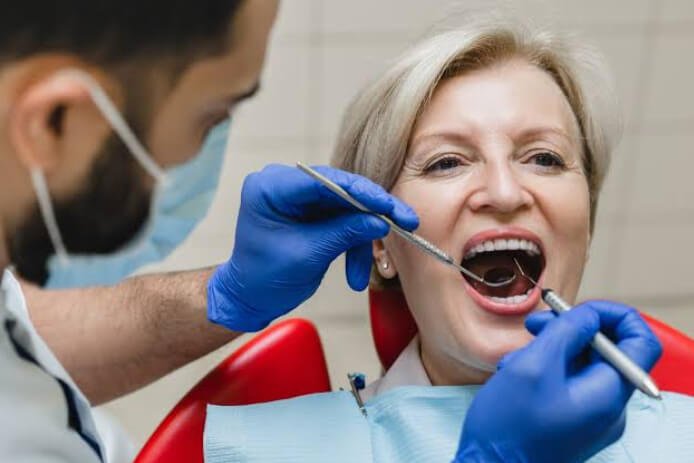
You wake up with a sore jaw, a headache that sits behind your eyes, or teeth that feel oddly sensitive for no clear reason. By afternoon, your face feels tight, chewing is annoying, and you catch yourself clenching without meaning to. That kind of pain can wear you down fast, especially when it seems to come and go without a pattern. A Phoenix Dentist can help identify what’s causing these symptoms and recommend the right treatment.
Jaw tension often starts quietly. Stress builds, you grind at night, your bite feels off, or the muscles around your jaw stay switched on for too long. A general dentist can often spot the signs early, protect your teeth, and help reduce the strain on your jaw joints and muscles. For many people, general dentists help with jaw pain by finding the source, ruling out dental causes, and creating a plan that is simple, practical, and realistic.
Jaw Tension Often Shows Up as More Than Jaw Pain
Jaw tension is not always dramatic. Sometimes it feels like stiffness when you yawn. Sometimes it is a clicking sound, ear pressure, neck soreness, worn teeth, or headaches that keep coming back. You may even think the problem is sinus pressure or an ear issue when the real source is muscle strain or clenching.
General dentists look at the full picture. They check how your teeth come together, whether enamel is wearing down, whether the jaw joints are tender, and whether your muscles are overworking. They also ask about habits that matter more than most people realize, such as chewing gum every day, nail biting, poor sleep, daytime clenching, or waking with a tight face.
The National Institute of Dental and Craniofacial Research explains that temporomandibular disorders can affect the jaw joints and muscles used for chewing. You can read more about TMD symptoms and treatment. That matters because jaw tension is not just a comfort issue. Left alone, it can lead to chipped teeth, inflamed muscles, and a cycle where pain causes more clenching, which causes more pain.
General Dentists Treat the Dental Side of Jaw Tension
A general dentist does not just hand you a mouthguard and send you home. The first job is figuring out what is driving the tension. If your teeth show flattening or small fractures, grinding may be part of the problem. If one tooth hits harder than the others, your bite may be adding strain. If a cavity, infection, or cracked tooth is making you chew differently, your jaw muscles may be compensating all day.
That is where jaw tension treatment from a general dentist becomes useful. Treatment may include a custom night guard, repair of damaged teeth, bite adjustment in select cases, advice on reducing strain, or referral to another provider if the issue goes beyond dental care. A custom appliance can help protect your teeth from grinding and reduce pressure on the jaw muscles, especially at night when you cannot control clenching.
Bruxism, which means grinding or clenching, is one of the most common reasons people develop jaw soreness and tooth wear. The NIDCR offers a clear overview of bruxism and its effects. If you have ever been told that you grind in your sleep, or you keep breaking dental work, that clue matters.
Small Delays Can Turn Mild Tension Into Daily Pain
People often wait because the pain is not constant. It flares, fades, and seems manageable until one morning your jaw does not want to open fully or chewing a sandwich feels like work. The delay makes sense. You are busy, and jaw pain can feel too minor to justify an appointment. The problem is that repeated strain tends to stack up.
There is also the money side of it. Ignoring grinding can lead to worn enamel, fillings that fail, cracked teeth, and more treatment later. Addressing the cause early is often less expensive than repairing years of damage. If stress is part of the picture, dental care still helps because it protects your teeth while you work on the habit and the muscle tension behind it.
At Home Relief and Professional Dental Care Are Not the Same
Warm compresses, softer foods, and being more aware of clenching can help. They just do not replace an exam when your teeth or bite are involved. The difference is easier to see side by side.
| Approach | What It Can Help With | Limits |
|---|---|---|
| Warm compress and rest | Temporary muscle soreness, short term flare ups | Does not protect teeth or identify bite issues |
| Over the counter mouthguard | Basic barrier between teeth | May fit poorly, can feel bulky, may not address your bite well |
| Stress reduction and habit awareness | Daytime clenching, shoulder and face tension | Takes time, does not repair existing dental damage |
| General dentist evaluation | Tooth wear, clenching signs, bite problems, custom protection | May require follow up or referral if symptoms are severe |
Three Steps You Can Take Right Away
Track your symptoms for one week. Notice when the tension is worst. Write down morning headaches, jaw clicking, chewing pain, and times when you catch yourself clenching. Patterns help your dentist narrow down the cause faster.
Relax your resting jaw position. Your lips can stay closed while your teeth stay slightly apart. That small change reduces muscle load during the day. If you work at a screen, set reminders to unclench your jaw and drop your shoulders.
Schedule a dental exam if the pain keeps returning. If you have tooth wear, broken dental work, limited opening, or soreness that lasts more than a few days, a general dentist should evaluate it. General dentist care for jaw tension is often the first practical step because many cases involve clenching, grinding, or bite stress.
Relief Starts With Finding the Source
Jaw tension can make ordinary things feel harder than they should. Eating, sleeping, talking, even concentrating at work can start to feel off. You are not overreacting, and you do not have to wait until the pain gets worse to deal with it.
A general dentist can help you understand what is happening, protect your teeth, and guide you toward relief that fits the actual cause. If jaw tension has become part of your routine, take the next step and book a dental visit.
