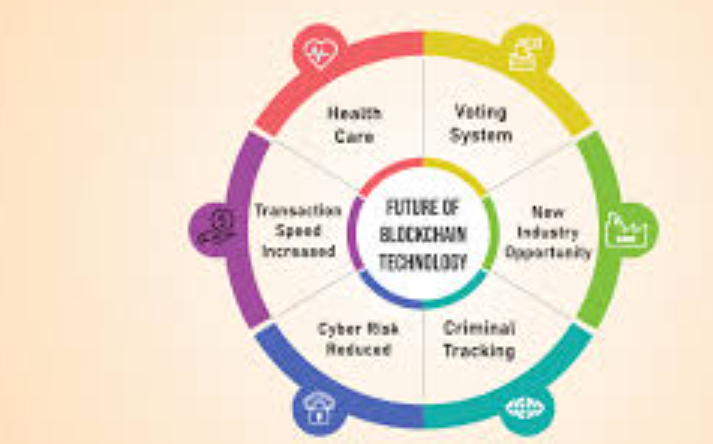
The future of blockchain technology is poised for significant evolution. Scalability solutions will play a crucial role in accommodating growing user demands. Enhanced interoperability promises to connect diverse platforms effectively, fostering a seamless user experience. Additionally, advances in security protocols will be essential to combat emerging threats. As these developments unfold, real-world applications will reshape industries, ushering in an era of increased transparency and trust. What implications might these shifts hold for the broader digital landscape?
Scalability Solutions and Their Impact
As blockchain technology continues to evolve, addressing scalability challenges has emerged as a critical focus for developers and industry stakeholders.
Layered architecture offers a promising framework, enabling enhanced transaction throughput by segregating functions.
Additionally, off chain processing alleviates on-chain congestion, facilitating faster and more efficient operations.
These innovations not only optimize performance but also empower users, promoting greater freedom and adoption in decentralized ecosystems.
Enhancing Interoperability Across Platforms
The ongoing advancements in scalability solutions have laid a foundation for addressing another significant challenge in blockchain technology: interoperability.
Enhanced cross chain communication enables seamless interaction among various blockchain platforms, fostering the development of decentralized exchanges.
These innovations promise to empower users by facilitating asset transfers and data sharing, ultimately promoting a more interconnected ecosystem that aligns with the principles of freedom and decentralization.
See also: Funding and Scaling Technology Businesses
Advances in Security Protocols
Security remains a critical pillar in the evolution of blockchain technology, demanding continuous innovation to counter emerging threats.
Recent cryptographic advancements enhance data integrity and user privacy, while decentralized authentication methods mitigate risks associated with centralized control.
These developments not only fortify blockchain ecosystems but also empower users, aligning with the desire for autonomy and resilience in a rapidly changing digital landscape.
Real-World Applications Transforming Industries
Numerous industries are undergoing transformative changes due to the implementation of blockchain technology, which offers unprecedented transparency, efficiency, and security in operations.
In supply chain management, blockchain enhances traceability, reducing fraud and improving accountability.
Meanwhile, digital identity solutions empower individuals, granting them control over their personal information.
These applications not only streamline processes but also foster trust and autonomy in an increasingly interconnected world.
Conclusion
In conclusion, the future of blockchain technology promises significant advancements in scalability, interoperability, and security, which will collectively enhance user experiences and foster greater trust across sectors. Notably, a recent study predicts that by 2025, blockchain’s economic impact could reach $3.1 trillion, highlighting its transformative potential. As industries increasingly embrace these innovations, the evolution of blockchain will redefine interactions within a more interconnected ecosystem, paving the way for unprecedented levels of efficiency and transparency.