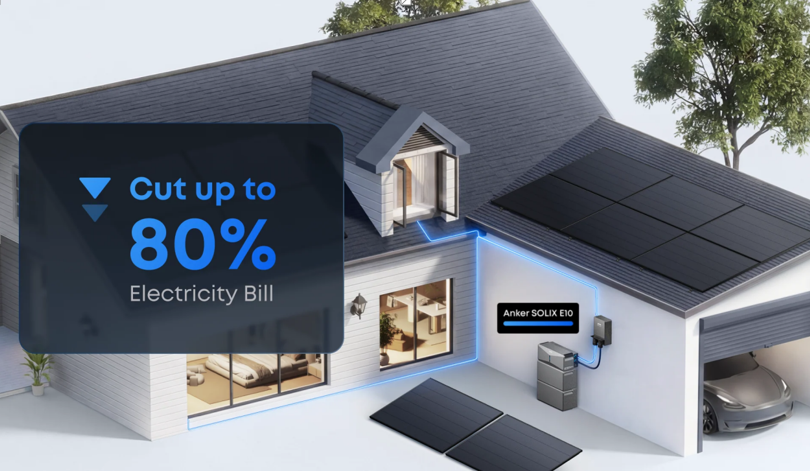
Backup power feels simple until the lights actually go out. When families face their first real outage with an underprepared setup, regrets appear quickly—missed details, wrong assumptions, and systems that do not match real household needs. Many homeowners later realize that the right approach to backup power is not only about owning equipment but understanding how their home behaves under stress. This is where integrated systems like the Anker SOLIX E10 with Power Dock reshape expectations by responding instantly, scaling as energy demands change, and delivering support without requiring manual intervention. But before exploring better solutions, it helps to understand the mistakes people most often wish they had avoided.
Where Backup Plans Fail Before the First Outage
Misjudged Power Needs Lead to Early Regret
One of the biggest mistakes homeowners make is underestimating how much energy their home actually uses during an outage. People assume they will need only a few essentials—lights, a refrigerator, and maybe a heater—until the outage hits and comfort demands rise. Air-conditioning, medical equipment, office setups, and cooking appliances all place higher loads than expected. This is where poorly sized systems fail first. Families commonly discover that their small standby units cannot start heavy appliances or maintain steady output during high-demand moments. A whole house generator avoids this issue, but sizing still matters. Systems like the E10 offer scalable capacity: one unit handles everyday peaks, while multiple units with a Power Dock support entire households, even those with large HVAC systems. This flexibility prevents the common regret of installing a system that grows outdated the moment the family’s needs shift—whether due to working from home, new appliances, or caring for aging parents.
Overlooking Fast Switchover Times Creates Hidden Risks
Homeowners often assume outages begin and end with a visible blackout. In reality, many damaging interruptions last only seconds. Laptops shut down, routers reset, HVAC compressors stall, and data is lost long before the lights flicker. The regret appears only after these disruptions accumulate. A key mistake is choosing backup systems that take too long to activate. Traditional standby generators may require 10–30 seconds to start, leaving the home unprotected during the transition. Families later realize that those seconds cause the very issues they hoped to prevent. Systems like the E10 switch over in ≤20ms, filling the gap before the interruption becomes meaningful. Homeowners who experience seamless activation often express surprise at how frequently these micro-outages happen—and relief that their backup plan responds without hesitation.
Ignoring Surge Requirements Limits What the Generator Can Do
Another common regret stems from misjudging the surge power needed to start large appliances. HVAC compressors, well pumps, and some freezers draw heavy current for a few seconds at startup. Homeowners who fail to plan for these surges often find that their generator runs but cannot start key equipment. A system must handle both running wattage and starting wattage, especially during extreme temperatures. Surge capacity becomes critical during storms, when families rely most on climate control. The E10 addresses these spikes with strong surge performance and support for 5-ton central A/C startup. This prevents a regret that often surfaces only after installation: discovering that the backup system technically works—but not for the appliances that matter most.
See also: Future Innovations in Wearable Tech
Backup Mistakes That Surface Once Real Outages Begin
Forgetting About Fuel, Maintenance, and Manual Steps
A major regret appears when homeowners realize their backup power plan requires more hands-on management than expected. Some systems demand manual startup, regular refueling, or on-site troubleshooting—tasks that become stressful when outages happen at night, during storms, or while the homeowner is away. Families often assume they will have the time, fuel, and comfort to manage these steps. But outages rarely happen under ideal conditions. This is where hybrid systems excel. The E10’s combination of battery power, solar readiness, and optional smart generator support minimizes manual effort. Batteries handle most outages automatically, and when the smart generator runs, its tri-fuel design offers flexibility. Many homeowners later admit that they underestimated how valuable “automatic everything” would become when the house is cold, dark, or under storm alerts.
Installing Limited-Circuit Backup Instead of Whole-Home Support
Some families regret choosing a backup plan that covers only a few circuits. This often happens because the homeowner assumes they can prioritize which rooms and appliances truly matter during an outage. When the outage hits, reality feels very different. Children need device charging. Work-from-home professionals need routers and monitors. Kitchens become the heart of the home. HVAC becomes essential, not optional. And walking through a dark hallway at night becomes unsafe. Systems limited to 100A often force families to choose between comfort and safety. The E10 with its 200A Power Dock avoids this regret, protecting the entire panel so the home behaves as if the grid never failed. Homeowners who experience full-panel backup typically say they would never revert to partial coverage again.
Failing to Plan for Multi-Day Outages
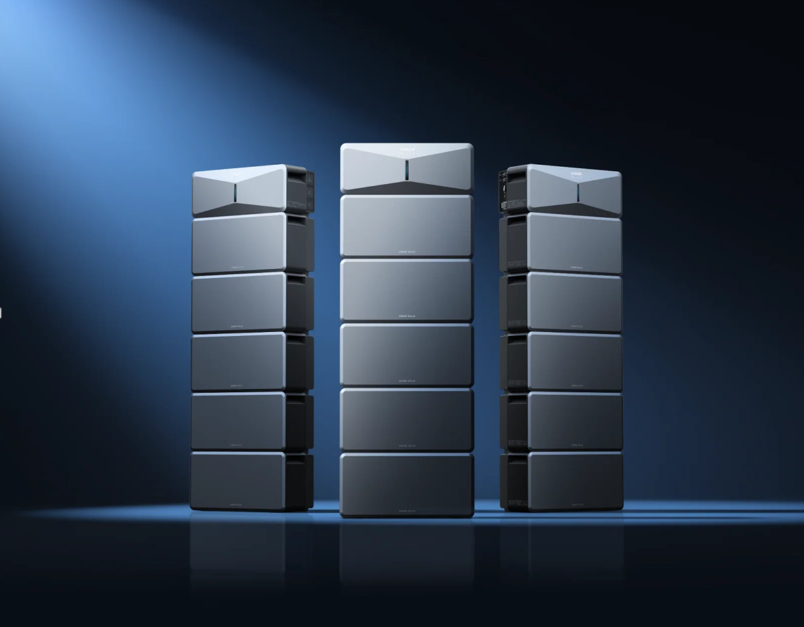
Another major regret appears during long outages. Many families assume outages will last hours, not days. When storms cause extended grid failures, their backup systems run out of fuel, battery capacity, or usable circuits. A strong backup plan must handle both short interruptions and sustained outages. The E10 supports 6kWh to 90kWh of storage, allowing homes to scale backup days as needed. With solar input up to 27kW (when using three units), households can maintain essential loads through extended disruptions. Regret often follows the realization that a system suited for a “few hours” fails to meet the demands of modern life when outages stretch past a day—especially in regions prone to cold snaps, heatwaves, or hurricanes.
Conclusion
Regret in backup power planning usually stems from assuming outages are simple, predictable events. Homeowners often underestimate power needs, overlook surge requirements, ignore activation speed, or choose systems that cover only a fraction of their real household demands. The most satisfied families are those who prepare for both the short disruptions that damage electronics and the long outages that strain comfort, safety, and daily life. Integrated solutions like the Anker SOLIX E10 with the Power Dock prevent these regrets by offering instant switchover, scalable capacity, strong surge support, and automatic response. A thoughtful and well-matched backup plan ensures that when the lights go out, nothing else in the home has to stop.