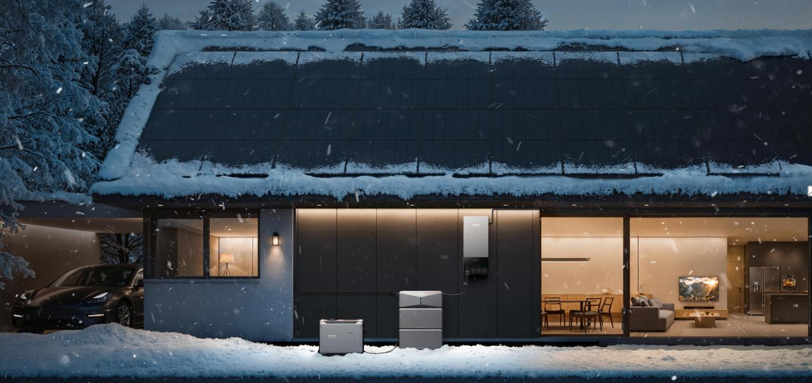
The rated wattage of a solar power generator often differs from what users experience in real daily use. While manufacturers provide maximum output figures based on ideal lab conditions, real-world performance depends on variables that shift throughout the day—sun angle, temperature, shading, and load behavior all play significant roles. Many users also underestimate how energy storage, inverter output, and consumption patterns influence total usable power. Understanding these limits is essential for anyone relying on solar for home resilience, off-grid living, travel, or remote work. Solar systems like the Anker SOLIX C2000 Gen 2 + 400W panel illustrate how high efficiency, adjustable angles, and balanced capacity influence results beyond the spec sheet.
Environmental and Solar Conditions That Restrict Output
Sunlight Angle Changes Output More Than Most Users Expect
Solar panels rarely operate at their rated wattage unless they receive direct sunlight at an optimal angle. Even small deviations—such as the sun sitting too low or shifting behind light cloud cover—can reduce panel harvest significantly. In practice, output fluctuates throughout the day, climbing near midday and tapering off in mornings and late afternoons. Adjustable panels help counter this drop, which is why the four-angle system on the PS400 panel makes a noticeable difference in real-world charging. By allowing easy transitions between 30°, 40°, 50°, and 80°, users maintain stronger sunlight capture without constantly repositioning the setup manually.
Temperature Plays a Major Role in Power Loss
Heat reduces the efficiency of solar cells. Although sunlight causes solar generation, high temperatures create electrical resistance that lowers output. On hot summer days, panels may deliver well below the wattage that cool-season performance would achieve under similar sunlight intensity. Conversely, cold but sunny conditions often generate stronger wattage than users expect. The C2000 Gen 2 system benefits from efficient monocrystalline cells that maintain productivity across a wide temperature range, but even efficient cells still follow the physics of thermal loss. Knowing this helps users plan charging cycles around cooler, brighter time windows.
Shading and Surface Conditions Reduce Harvest Rapidly
Even partial shading—from trees, chimneys, tent poles, or moving clouds—can cause output to drop sharply. Dust, pollen, or moisture buildup creates micro-shadows that reduce panel absorption across whole sections. Panels operating in sandy, humid, or forested environments typically lose small percentages of efficiency unless wiped clean. The IP67 protection on the PS400 panel keeps debris from causing damage, but users still benefit from occasional surface cleaning to maintain maximum energy harvest. These small maintenance habits often distinguish full-capacity performance from slow, inconsistent charging.
See also: Financial Inclusion Through Technology
System Design Factors That Influence Real Output
Storage Capacity Determines How Much Solar Power You Can Actually Use
Solar panels may generate strong wattage, but the power station must store this energy efficiently. Batteries throttle input if they reach their maximum charge rate or if internal temperature limits activate. Larger-capacity systems keep solar power flowing longer before tapering. The C2000 Gen 2 offers enough capacity to store a substantial solar harvest daily, and with its expansion option up to 4kWh, users avoid wasted sunlight during peak hours. This ensures that collected energy directly converts into practical runtime rather than being lost once the battery fills too quickly.
Inverter Output Controls What You Can Power at One Time
Rated wattage refers to battery capacity and panel potential—not necessarily the real load a user can run simultaneously. The inverter defines continuous and peak output limits and acts as the actual gateway delivering energy to appliances. With a 2,400W rated and 4,000W peak output, the C2000 Gen 2 handles demanding devices while staying efficient under variable loads, ensuring smoother performance. A mismatch between inverter strength and device needs—and not panel production—is often what causes outages, resets, or reduced usability, even if the generator still has stored energy available.
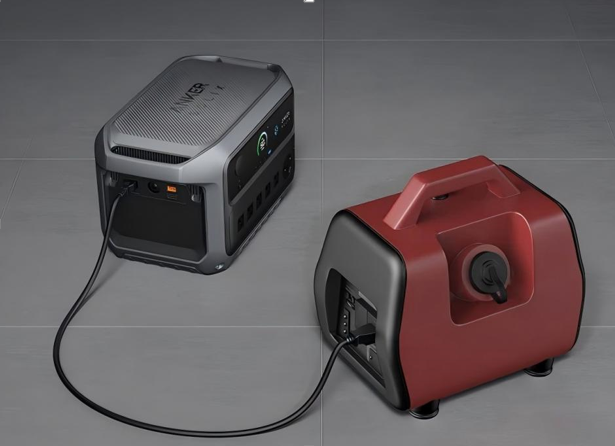
Load Behavior Fluctuates and Strains Power Output Differently
Appliances with motors, compressors, or heating elements draw irregular power. They may start at ten times their running wattage, spiking briefly and then stabilizing. The solar power generator must absorb its fluctuations gracefully to deliver steady power. Real output appears lower when the system throttles voltage to maintain protection. The C2000 Gen 2’s stable output and intelligent management help keep devices running as expected, especially during refrigerator cycling or laptop charging surges. Understanding load variability helps users design more predictable energy routines and prevents unexpected dips in system performance.
Conclusion
Real solar generator output depends on a combination of environmental factors, system hardware limits, and the nature of the loads being powered. Sun angle, temperature, and shading directly impact panel effectiveness, while inverter limits, battery size, and load behavior shape how much usable energy reaches appliances. Systems like the Anker SOLIX C2000 Gen 2 with its high-efficiency 400W panel demonstrate how adjustable angles, fast charging, clean output, and ample storage help overcome many of these real-world constraints. By learning how these factors interact, users can plan charging windows better, position panels more strategically, and structure power usage more intelligently. Effective solar generation is less about chasing maximum rated numbers and more about managing actual conditions for consistent, reliable performance.