There is nothing quite like the sound of a steady drizzle hitting your roof while you sit inside with a warm drink. However, that cozy feeling can vanish pretty quickly if you notice a drip coming from your porch ceiling. If you live in a place with heavy seasons, you know how fast a small leak can turn into a massive headache. Scheduling a professional roof repair park city inspection service is the best way to catch these issues before they ruin your drywall or deck framing. Once the clouds open up, it is time to put on your boots and do a little investigating of your own to ensure your home stays dry.
The Flashing Foundation
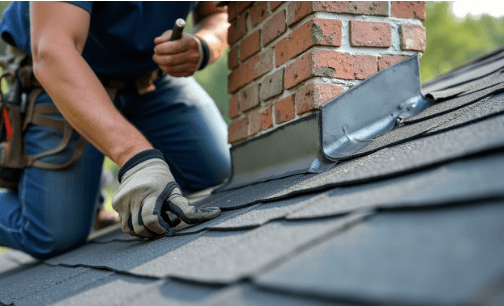
The most common spot for a leak on any porch is where the porch roof actually meets the house wall. This area is usually protected by a metal strip called flashing. When it rains, water runs down your house siding and is supposed to be kicked out away from the structure by this metal.
If you see water staining on the underside of your porch or notice the siding looking warped right above the roofline, your flashing might be loose. Wind and snow can pull the metal away from the wall over time. Even a tiny gap of a few millimeters is enough for water to seep behind the siding and rot out your house wrap or structural studs. Take a close look at the sealant or caulk along the top edge of that metal. If it is cracked or peeling, it is not doing its job anymore.
Clogged Gutters and Overflow
Porch roofs are often smaller than the main roof of a house, but they still handle a lot of water. If your main house gutters drain directly onto your porch roof, that area is taking a double hit of moisture. Check the spots where downspouts from the upper level dump out.
Heavy seasonal rain often washes debris like pine needles or leaves into the porch gutters. When these get backed up, the water has nowhere to go. Instead of flowing into the downspout, it pools against the edge of the roof. This standing water can eventually back up under the shingles. If you see water cascading over the side of the gutter like a waterfall, you have a blockage that needs immediate attention.
Shingle Health and Nail Pops
Since porch roofs often have a lower pitch than the rest of the house, they do not always shed water as quickly. This makes the condition of your shingles even more important. After a big storm, look for any shingles that are lifting or curling at the edges.
You should also keep an eye out for nail pops. This happens when the wood underneath expands and contracts, pushing the roofing nails upward. These nails can poke right through the shingle, creating a perfect little hole for water to enter. If you see a shingle that looks like it has a small bump under it, that is a sign that a leak is waiting to happen.
Rotting Rafter Tails and Fascia
The wood trim that runs along the edge of your porch roof is called the fascia. It is often the first thing to rot because it stays damp longer than the rest of the roof. During the rain, look at the corners of your porch. Is water wicking back underneath the roof and soaking the wood?
If the wood feels soft to the touch or if the paint is bubbling and peeling, moisture is trapped inside. This is especially dangerous for porches because the rafters are often exposed. If the ends of those rafters get soft, the structural integrity of the entire porch can be at risk. Checking the drip edge, which is the metal piece that hangs over the fascia, can tell you if the water is being directed away properly or if it is just rolling down the wood.
See also: What Backup Power Mistakes Do Homeowners Regret?
Post and Beam Connections
Do not forget to look down. The posts that hold up your porch roof are just as important as the shingles on top. Check where the posts meet the roof beams. If you see dark stains or streaks of green moss forming at these joints, water is likely traveling down the post rather than staying on the exterior.
In heavy rain, water can sometimes travel horizontally along a beam before it finds a spot to drip. If your porch ceiling is finished with wood or vinyl, look for sagging or discoloration. These are telltale signs that water has bypassed the outer layers and is sitting on top of your ceiling joists.
Final Word
Staying ahead of roof damage is all about being observant when the weather is at its worst. By checking your flashing, gutters, and wood trim now, you can avoid the high costs of structural repairs later. If you find anything that looks suspicious, calling a roof repair park city inspection service will give you the peace of mind you need to enjoy the storm from the dry side of the glass. Catching a leak early is always cheaper than replacing a whole roof.