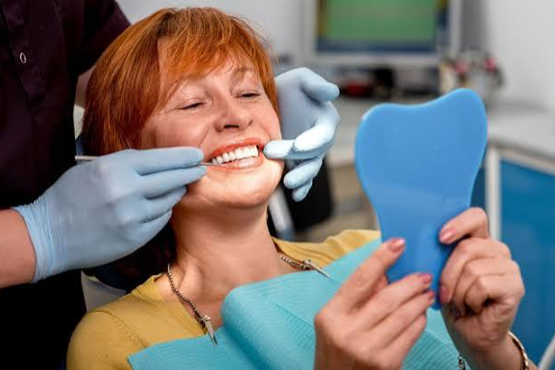
You go in thinking the plan is set. Maybe you were told veneers, bonding, crowns, or whitening would improve your smile, and then one step changes everything. An old filling comes out, your dentist sees more of the tooth, and suddenly the cosmetic plan looks different. That shift can feel frustrating, expensive, and personal, especially if you were ready to move forward with a dentist Brookline, MA.
This happens more often than people expect. Old fillings can hide cracks, decay, weak tooth walls, staining, or changes in the bite. Once the filling is removed, the tooth may need a different kind of support before cosmetic work makes sense. In some cases, the final result actually improves because the treatment is built on what is really there, not what was assumed from the outside.
Old Fillings Can Hide Problems That Change Cosmetic Dentistry Decisions
A filling does not always tell the full story of the tooth underneath it. Some older restorations leak at the edges. Some have been repaired more than once. Some look stable on an X ray but reveal soft tooth structure, cracks, or unsupported enamel once they are removed. The National Institute of Dental and Craniofacial Research explains the basics of dental fillings, including the fact that restorations can wear down or fail over time.
This is where cosmetic dental treatment changes after removing fillings become necessary. A tooth that looked like a candidate for simple bonding may need a crown. A tooth planned for a veneer may not have enough healthy enamel left for that option to last well. A patient expecting a quick cosmetic fix may learn that bite correction or decay treatment has to come first.
You are not being difficult if that feels upsetting. Most people hear “change in treatment plan” and think “more time, more cost, more uncertainty.” That reaction makes sense. You prepared yourself for one outcome, and now the ground moved.
The reason dentists pause and adjust the plan is simple. Cosmetic work has to sit on a stable foundation. If the base is weak, the result may look good for a short time and fail too soon. That can mean chipped porcelain, recurrent decay around margins, tooth pain, or a restoration that never feels right when you bite down.
Removing Old Fillings Gives Your Dentist Better Information
Before a filling is removed, your dentist works with what can be seen clinically and on imaging. After removal, the picture gets sharper. The inner condition of the tooth is no longer hidden by old material, staining, or patchwork repairs. That is often the moment when a treatment plan becomes more precise.
Why cosmetic dentistry plans change often comes down to structure. If too much natural tooth is missing, a conservative cosmetic option may no longer be the safest one. If decay extends deeper than expected, the tooth may need buildup or root canal treatment before any esthetic work. If a crack runs below the surface, your dentist may need to protect the tooth first and rethink shape, shade, and material choices later.
Dental materials have also improved over time. Research supported by the NIDCR has led to stronger and more durable dental materials, which gives dentists more ways to rebuild damaged teeth. That helps, but even the best material cannot solve a structural problem if the tooth itself is compromised.
This is one reason a good general and cosmetic dentist can feel cautious rather than rushed. A fast answer is not always an honest one.
Changes in Dental Treatment Plans Often Protect Long Term Results
Patients usually focus on how the smile will look. Dentists also have to think about how it will function six months, three years, or ten years from now. Oral health data from the NIDCR shows that restorative needs, tooth loss, and untreated disease still affect many adults across the United States, as outlined in Oral Health in America. Cosmetic care does not exist apart from those realities.
A changed plan can protect you from paying twice. Imagine replacing a large old filling with a tooth colored option as part of a smile upgrade, only to learn months later that the tooth cracks because too little healthy structure remained. The better choice may have been a crown from the start. It costs more upfront, but it may save the tooth and reduce repeat work.
Dental treatment plan changes are often a sign that your dentist is responding to new facts, not moving the goalposts without reason.
See also: Funding and Scaling Technology Businesses
What May Change After an Old Filling Is Removed
| Original Plan | What Removal Reveals | Updated Recommendation |
|---|---|---|
| Bonding for a chipped or worn tooth | Large hidden crack or weak side walls | Crown or onlay for better support |
| Veneer for shape or color improvement | Not enough healthy enamel remains | Crown or staged rebuilding before cosmetic treatment |
| Simple filling replacement | Decay extends deeper than expected | Buildup, crown, or root canal treatment first |
| Whitening with minor repairs | Old restorations no longer match or seal well | Replace fillings after whitening for a more even result |
| Smile makeover timeline set in one visit | Bite issues or uneven wear become clear | Adjust sequencing to protect the final cosmetic work |
Three Steps You Can Take Right Away
Ask what changed inside the tooth. Get specific. Was there new decay, a crack, weak enamel, or less remaining tooth structure than expected? Clear answers help you understand whether the change is cosmetic, structural, or both.
Request options in plain language. Ask your dentist to compare the conservative option with the more protective one. You want to know cost, lifespan, appearance, and what happens if you choose the simpler fix now.
Focus on sequence, not just the final look. Many smile plans work best in stages. Stabilize the tooth, confirm the bite, then complete the cosmetic work. That pacing can feel slower, but it usually leads to a result that lasts longer and feels better.
A Changed Plan Does Not Mean a Bad Outcome
If your treatment plan changed after an old filling was removed, you are not back at the beginning. You just have better information now. That can be disappointing in the moment, especially if you were hoping for a simpler path, but it often leads to smarter care and a stronger result.
The best cosmetic dentistry is not only attractive. It is stable, comfortable, and built on healthy tooth structure. If your dentist recommends a change, ask for the reason, the options, and the order of treatment. That conversation can turn a stressful surprise into a plan you trust.