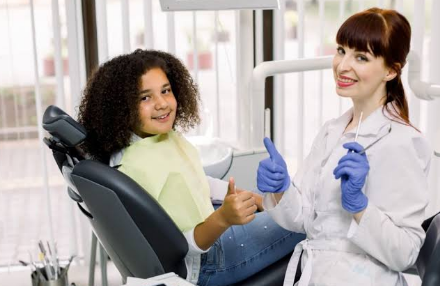
You notice the small things first, and a South Reno dentist may help you decide what to do next. A bite that looks a little off, baby teeth falling out in an odd pattern, crowding that seems to be getting worse every few months. Maybe your child breathes through their mouth at night or struggles to chew certain foods. It is easy to wonder if you should wait and see, especially when braces feel like a big step and your child still seems young.
That uncertainty is common, and it is exactly why early screenings for orthodontic issues matter. A screening does not mean your child will need treatment right away. It means you get a clearer picture of how the teeth, jaws, and bite are developing before small concerns turn into harder, more expensive problems. A trusted family dentist can often spot signs early, guide you on timing, and help you avoid the stress of finding out too late that a problem has become more severe.
Early orthodontic evaluations catch problems while growth is still working in your favor
Children’s mouths change fast. Teeth erupt, jaws grow, habits shape the bite, and what looks minor at age six can look very different at age nine. Early screenings help identify crowding, crossbites, underbites, overbites, and jaw growth concerns before they become more fixed. The American Academy of Pediatric Dentistry supports monitoring the developing bite and dentition because early identification can improve function, reduce trauma risk, and guide better timing for treatment. You can review that guidance in the AAPD recommendations on developing dentition and occlusion.
The timing matters because growth gives dentists and orthodontists options. When the jaw is still developing, certain bite problems may be improved with simpler interceptive treatment. If a narrow upper jaw is left alone, for example, it can affect how the teeth fit together and how the child bites and chews. If front teeth stick out too far, they may be more likely to get chipped in a fall or during sports. Waiting can mean the same issue later requires longer treatment or tooth removal.
That does not mean every child needs early appliances. Many do not. What they need is a careful look at what is normal for their age and what is drifting away from healthy development. That is the value of an early orthodontic screening. It replaces guessing with a plan.
Delayed treatment can increase stress, cost, and treatment time
Parents often wait for a practical reason. Kids are busy, budgets are real, and no one wants to sign up for treatment that is not needed. The trouble is that some orthodontic issues do not stay still. Crowding can worsen as permanent teeth come in. A crossbite can affect jaw growth. Thumb sucking or tongue posture issues can keep pushing teeth out of place. By the time the problem is obvious to everyone, the options may be narrower.
You may have seen this happen in another family. A child starts with mild crowding, then permanent teeth erupt with nowhere to go. The family moves from “maybe later” to “we need a full orthodontic plan now,” and the treatment becomes more involved than it might have been with earlier monitoring. According to Nationwide Children’s guidance on early phase orthodontic treatment, some children benefit from treatment during mixed dentition because it can address specific problems at the right developmental stage.
Jaw growth is another reason screenings matter. Certain bite issues are tied to how the upper and lower jaws develop, not just how the teeth line up. During growth, providers may be able to influence that pattern more effectively than they can after growth slows. ColumbiaDoctors explains growth modification for malocclusion in a way that makes this easier to understand. If the concern is skeletal, not just dental, early awareness can change the whole treatment path.
Early orthodontic treatment versus delayed treatment
There is no one size fits all timeline, but the differences between early evaluation and delayed evaluation are usually clear.
| Factor | Early Screening | Delayed Evaluation |
|---|---|---|
| Problem detection | Can identify jaw growth issues, crowding, and bite problems while they are developing | Problems may be found only after they are more established |
| Treatment options | May allow interceptive care, monitoring, or habit correction | May require more complex treatment later |
| Length of care | Sometimes shorter or more targeted early phase treatment, followed by observation | Often a single longer phase once issues are advanced |
| Risk of complications | Can reduce risk of trauma to protruding teeth and worsening bite patterns | Higher chance that crowding, wear, or jaw mismatch worsens over time |
| Family stress | More time to plan, budget, and understand next steps | More pressure when treatment feels urgent |
This is where a family dentist becomes especially helpful. Regular exams create a record of how your child’s mouth is changing over time. That makes it easier to tell the difference between normal development and a problem that needs attention. It also helps you avoid overreacting to every crooked tooth while still catching issues that deserve action.
Simple steps help you respond early without overcommitting
Schedule routine dental visits on time. Consistent checkups give your family dentist the chance to track eruption patterns, jaw development, and bite changes. You do not need to wait until all permanent teeth are in to ask about orthodontic concerns.
Pay attention to daily signs at home. Mouth breathing, early or late loss of baby teeth, difficulty chewing, thumb sucking past the toddler years, teeth that do not meet well, or a jaw that shifts when closing are all worth mentioning. Parents usually spot these patterns long before anyone else does.
Ask for a focused orthodontic screening. If something seems off, ask directly whether your child’s bite and jaw development should be evaluated now or monitored over time. That question alone can save months or years of uncertainty and help you understand whether your child needs treatment, observation, or no action at all.
Early screenings for orthodontic issues give you clarity when timing matters most
You do not need to panic over every gap, crooked tooth, or uneven smile. You do need good information at the right time. That is the real difference with orthodontic screenings for children. They help you catch the problems that should not wait, avoid treatment that is not needed, and make decisions with more confidence and less stress.
If you have concerns about your child’s bite, spacing, or jaw development, bring them up at the next visit with your family dentist. A simple screening can tell you whether everything is on track or whether early support could make the road ahead easier.