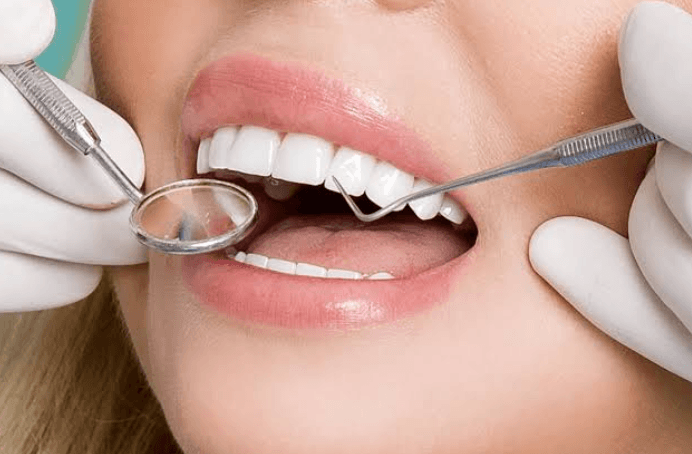
You brush, you remind the kids, you book cleanings, and somehow cavities can still show up. That gap between effort and results is frustrating. A lot of families are doing many things right, but oral health is shaped by more than brushing alone. Daily habits, snack choices, bedtime routines, sports drinks, medications that dry the mouth, and even how often someone grazes through the day all affect teeth. Talking with a dentist in Vancouver, WA can help families identify the specific factors influencing their oral health.
That is why Why Lifestyle And Nutrition Counseling Strengthen Family Smiles matters so much in a family dental setting. Good guidance connects the small choices you make at home with what happens in the mouth over time. A family dentist is not only looking for problems to fix. They can help you spot patterns early, lower the risk of decay, and make home care feel more realistic for real family life.
Lifestyle and nutrition counseling turns daily habits into dental protection
Tooth decay does not start all at once. It develops through a process where bacteria in the mouth feed on sugars and starches, create acids, and weaken enamel again and again. The National Institute of Dental and Craniofacial Research explains the tooth decay process clearly, and it helps families see why frequency matters as much as quantity. A child who sips juice for an hour can face more risk than one who drinks it quickly with a meal.
You may already know candy is rough on teeth. The harder part is seeing the less obvious patterns. Crackers, fruit snacks, sweet coffee, nighttime bottles, frequent sports drinks, and constant snacking all keep the mouth in an acidic state. If your child is picky, busy, or always hungry after school, those habits can build quietly until a checkup reveals damage that feels sudden, expensive, and unfair.
This is where nutrition and oral health guidance helps. Counseling is not about blame. It is about translation. A dentist can help you connect a child’s routine to what they see on the teeth, then suggest changes that fit your home instead of handing you rules no one can follow. If a teen drinks energy drinks during practice season, the answer may be timing, rinsing with water, and choosing less acidic options more often. If a toddler falls asleep with milk, the focus may be on a gentler bedtime shift rather than a lecture.
Family dental care gets stronger when advice matches real life
Families rarely need more information. They need advice that works on school mornings, in carpools, at grandparents’ houses, and during long stretches when everyone is tired. That is why family smile health counseling has such a practical role in prevention. It brings dental care out of the chair and into the kitchen, lunchbox, and evening routine.
The Centers for Disease Control and Prevention shares oral health tips for children that support this approach, including brushing with fluoride toothpaste, drinking fluoridated water, and building habits early. The American Academy of Pediatric Dentistry also provides dietary recommendations for infants, children, and adolescents that show how food choices and feeding practices shape oral health from the start.
When counseling is part of care, families can catch issues before they become treatment plans. A child with repeated cavities may not need harsher discipline around sweets. They may need fewer snack windows, more water, fluoride support, or a review of hidden sugars in packaged foods. An adult with gum irritation may need to look at tobacco use, dry mouth from medications, or frequent acidic drinks. The point is clarity. Once the pattern is clear, the next step is easier to manage.
Simple home habits and professional counseling do different jobs
| Approach | What it helps with | Where it falls short |
|---|---|---|
| Brushing and flossing at home | Removes plaque, strengthens enamel with fluoride, supports gum health | Does not always address frequent snacking, acidic drinks, or hidden sugar habits |
| General nutrition advice from the internet | Offers broad ideas about sugar and healthy eating | May miss age specific dental risks, feeding habits, and your family’s routine |
| Nutrition and lifestyle counseling from a family dentist | Links diet, habits, and oral findings into a personalized prevention plan | Works best when families follow through at home between visits |
| Waiting until pain or cavities appear | Can lead to treatment once damage is visible | Usually costs more time, money, and stress than prevention |
The difference often comes down to timing. Home care protects teeth day by day. Counseling helps you adjust the conditions that keep wearing teeth down. When both work together, prevention gets much stronger.
Small changes in routine can lower cavity risk for the whole family
1. Track the timing of food and drinks.
For three days, write down when everyone eats and drinks, not just what they consume. You may notice constant grazing, juice between meals, bedtime milk, or sports drinks after every activity. This one step often reveals the real source of recurring decay risk.
2. Build a short list of safer swaps.
Pick a few changes that feel doable. Water instead of juice between meals. Cheese, yogurt, nuts, or crunchy vegetables in place of sticky snacks. A quick rinse with water after acidic drinks. You do not need a perfect pantry. You need choices your family will actually repeat.
3. Ask for counseling, not just treatment.
At the next visit, ask your dentist to review eating patterns, cavity risk, fluoride use, and any habits that may be affecting your family’s teeth. That request can shift the whole appointment. Instead of only reacting to problems, you start building a plan to prevent the next one.
See also: Funding and Scaling Technology Businesses
Family smiles last longer when prevention fits your life
Healthy teeth are not built by willpower alone. They are built by routines that make sense for your home, your schedule, and your child’s stage of life. If you have felt stuck in a cycle of brushing, hoping, and hearing bad news at checkups, there is a better path. A family dentist can help you connect food, habits, and oral health in a way that feels practical instead of overwhelming.
When lifestyle and nutrition counseling becomes part of dental care, family smiles get stronger one decision at a time.